
.png)


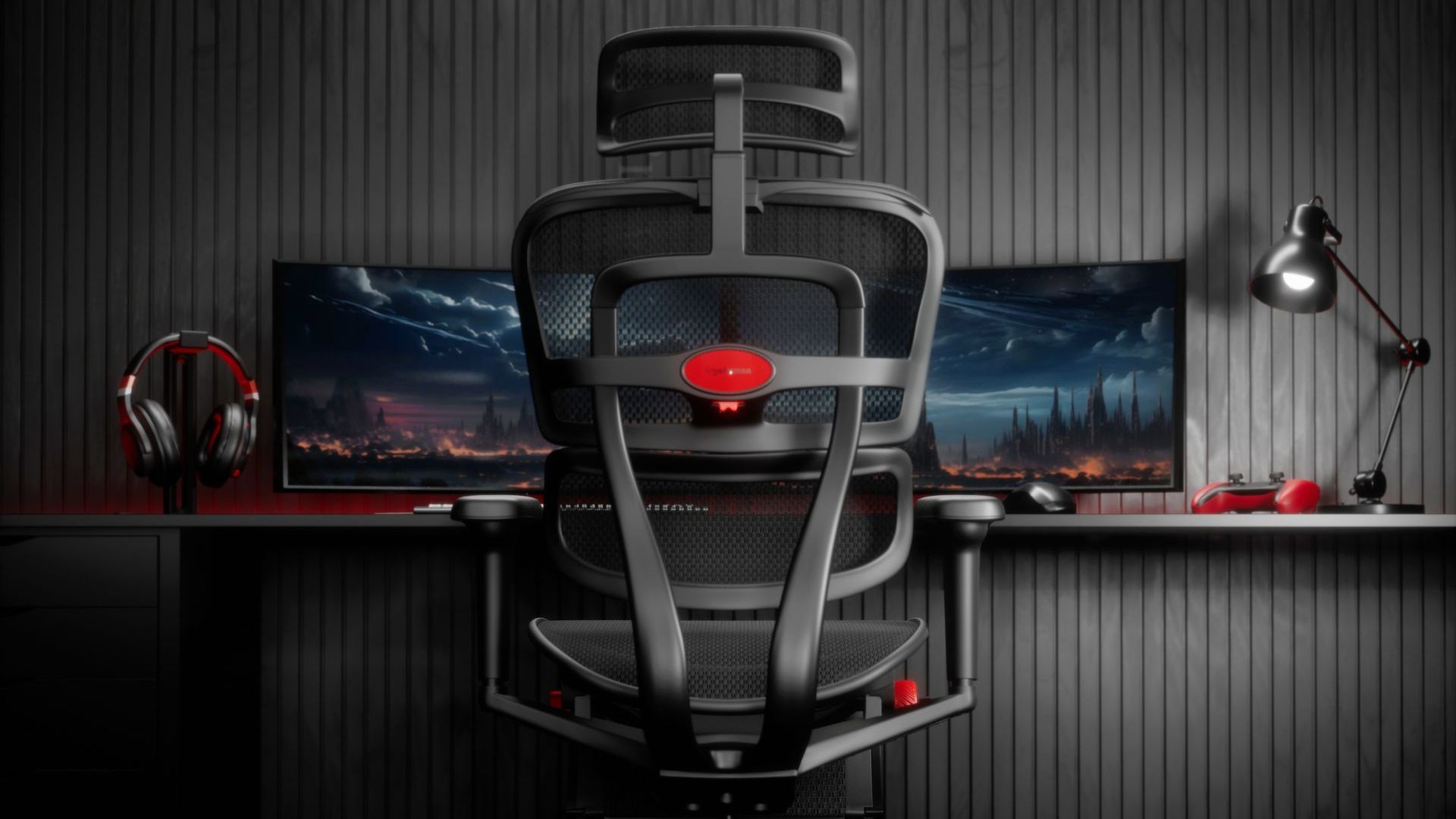
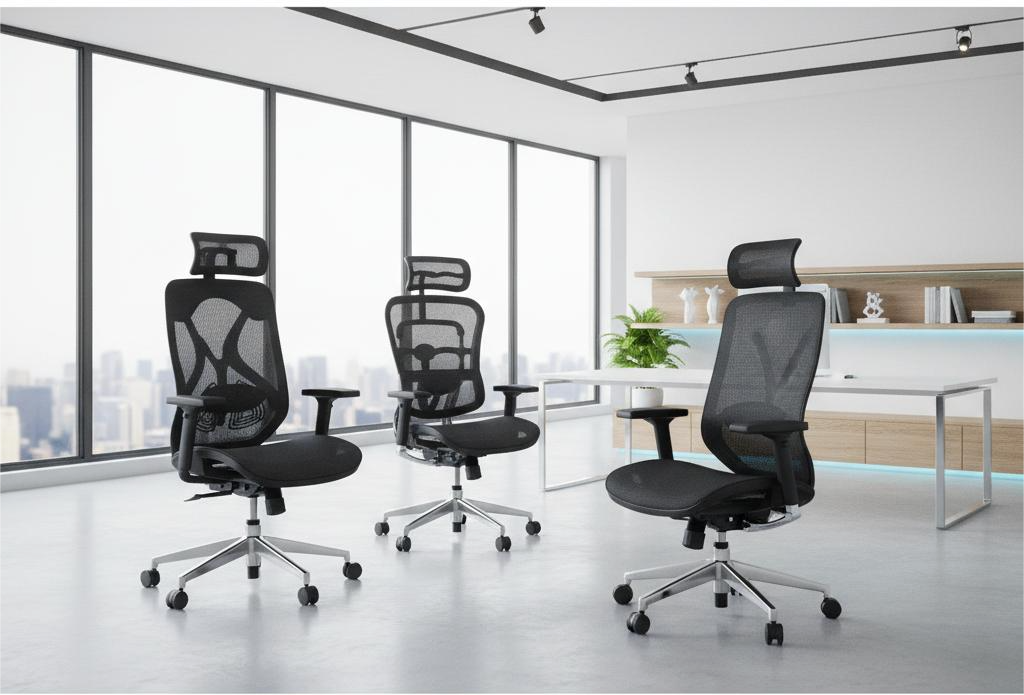
An ergonomic chair is built to support the way your body naturally moves — not the other way around. It’s designed to adapt to your posture, motion, and sitting habits to minimize strain and maximize comfort.
Unlike regular chairs, ergonomic ones promote healthy alignment of your spine, shoulders, and hips. Whether you’re gaming, working, or studying, the right chair helps you stay focused without feeling stiff or tired.
A flexible height adjustment system lets users set the seat perfectly to match their desk height and body proportions. Why it matters : Proper seat height ensures feet stay flat on the floor, thighs remain parallel, and blood flow isn’t restricted.
Tip - Keep your knees at a 90° angle and your hips slightly above knee level for best comfort.
An adaptive lumbar support follows the natural S-curve of your spine, providing the right balance of firmness and flexibility. Why it matters : Continuous back support prevents slouching and reduces long-term lower back pain.
Tip - Look for chairs with adjustable lumbar tension to customize your comfort.
The seat depth ensures your thighs are properly supported without pressing into the back of your knees. Why it matters : Too deep or too shallow seating can cause poor blood circulation and leg numbness.
Premium chairs use multi-layer foam or memory cushioning that maintains shape while promoting airflow and comfort.
Tip - Aim for a 2–3 inch gap between your knees and the seat edge.
A reclining backrest with synchro-tilt ensures your seat and back move together naturally. This maintains proper posture even while leaning back. Why it matters : Changing positions reduces spinal stress and boosts productivity.
Some ergonomic chairs feature multi-lock tilt and tension control, allowing you to switch between focused and relaxed modes easily.
Tip - Use the recline feature every 30–40 minutes to refresh your muscles.
Adjustable armrests help align your elbows and wrists for a natural typing or writing position. Why it matters : Proper arm support minimizes wrist fatigue and shoulder stiffness during long work sessions.
Advanced 4D armrests allow adjustments in height, width, depth, and pivot — offering complete freedom of motion.
Tip - Keep your elbows close to your torso and your forearms parallel to the floor.
A breathable mesh back keeps you cool by allowing air to circulate freely. Some chairs combine mesh with padded support zones for added comfort. Why it matters : Heat buildup and sweat can cause distraction and discomfort during extended sitting.
Tip - Go for mesh or hybrid materials if you work long hours in warm environments.
A five-point base with 360° swivel ensures easy movement without strain. Durable casters let you glide smoothly across any surface. Why it matters : Stable and fluid movement helps you multitask efficiently and reduces lower-body twisting.
Tip - Pick hard-wheel casters for carpets and soft rubber wheels for hardwood floors.
Because your back, neck, and shoulders weren’t designed for 8 hours of bad posture

It’s not just a chair—it’s part of your health setup.
.png)